
Wu Lei – Measuring Life Through Acting
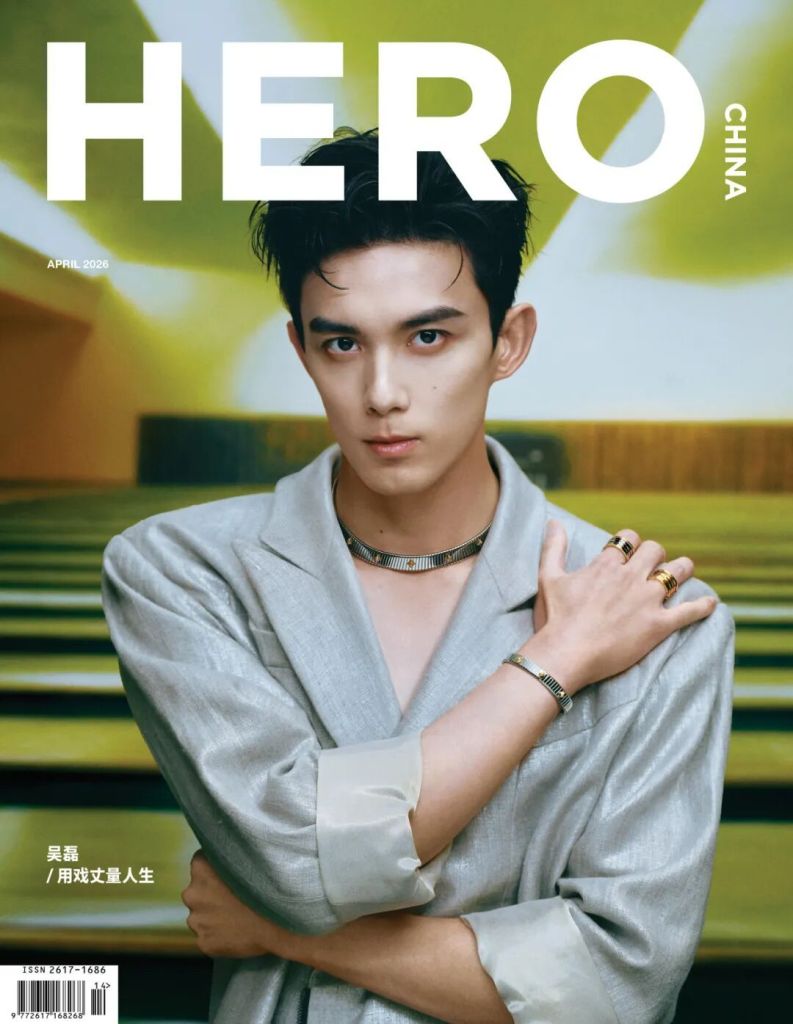
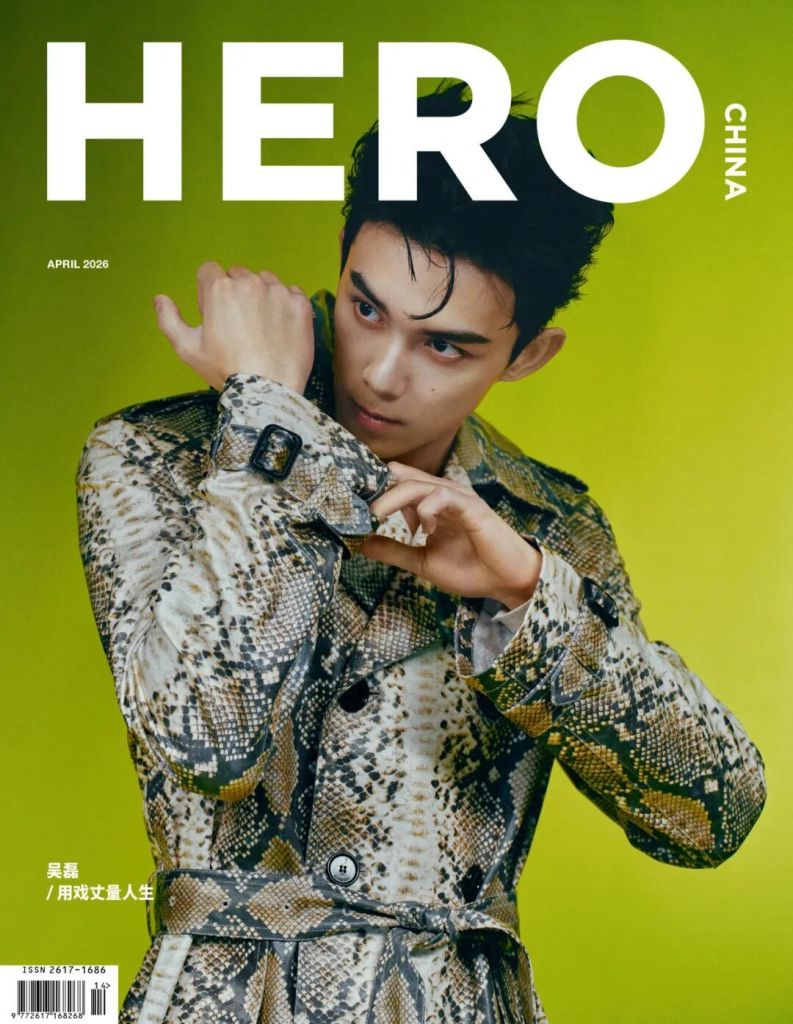
// 01. The Measure of Time
A person’s 25th year marks a clear divide.
Before 25, life hasn’t been prematurely ripened. Time isn’t yet pressing for answers. We drift back and forth within our still-unformed selves, knowing we can turn back at any moment. After 25, it’s a different realm altogether. Choices begin to leave their marks. Economic and career pressures close in, layer by layer. We can no longer look away from the concrete questions we once left hanging.
American writer David Brooks, drawing on Homer’s epic, calls this wandering period between adolescence and full adulthood the “Odyssey era.” In myth, the hero Odysseus spends ten years tossed on the sea, swinging between hope and despair. The contemporary Odyssey has no giant waves or sorceresses, but it is just as long and turbulent. Standing at the milestone of the “quarter-life crisis,” those already on the journey may not know where they are headed, nor can they easily turn back. But Wu Lei’s Odyssey is a little different from everyone else’s.
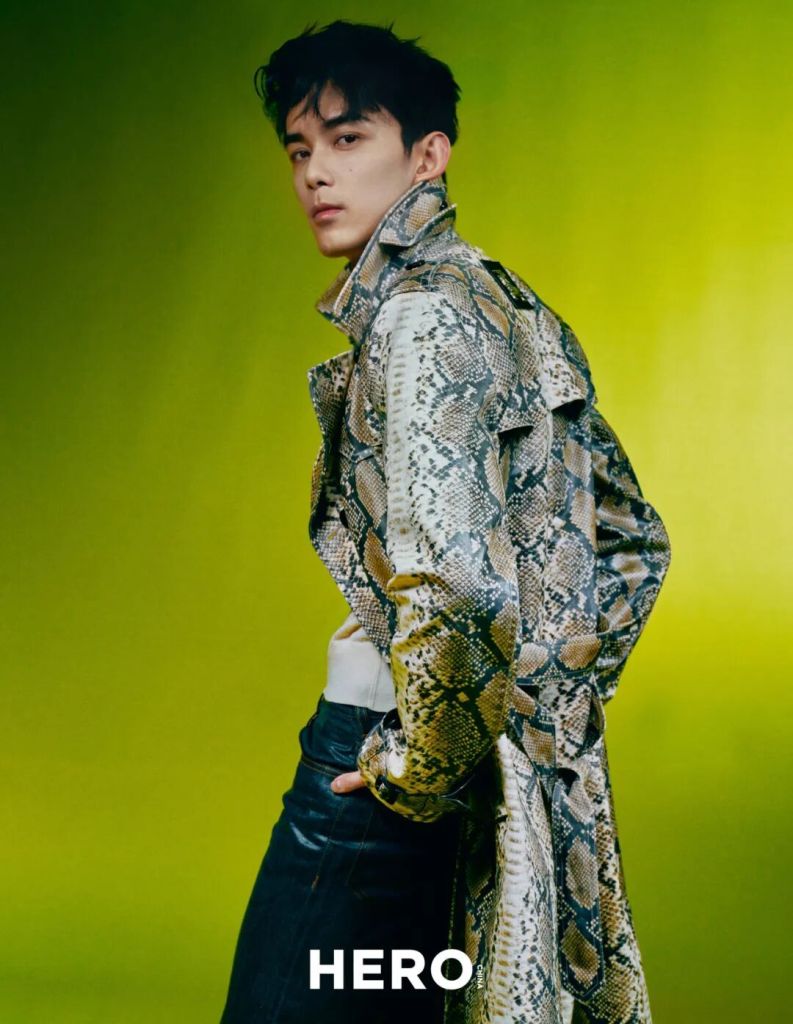
Just this past December 26, Wu Lei celebrated his 26th birthday. Interestingly, at a time when people tend to associate this age with some kind of “inevitable turbulence,” he appears remarkably calm. The young man who once wished on his 18th birthday to “stay 18 forever” now admits, “I feel like I’ve already stepped out of my teenage years, completely grown up.” He smiles and says, “I don’t have any anxiety about age. I enjoy growing older little by little. Maybe in a few more years, it’ll feel different again.”
For Wu Lei, this state of being “on the road” didn’t happen suddenly. In a sense, he was pushed out of the safe buffer zone where others can test the waters again and again, earlier than most of his peers. His childhood unfolded straight along the path, with hardly any gaps. The cameras and the roles did the initial work of self-identification for him, and time has moved faster and more directly through him.
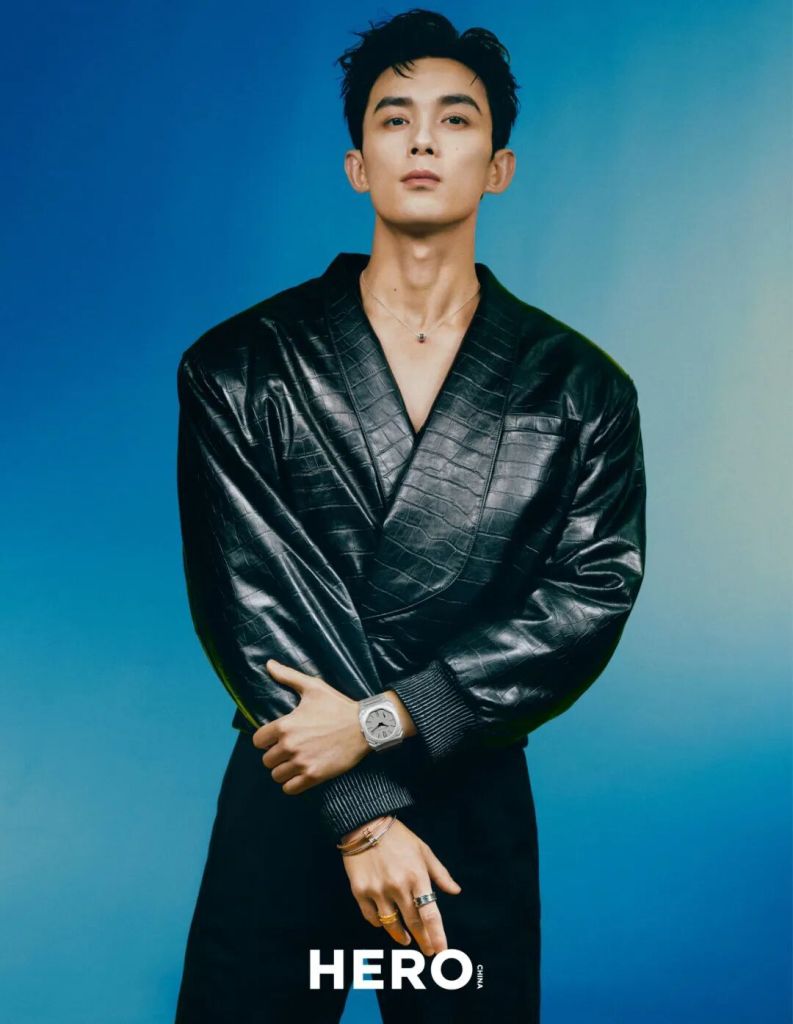
Growing up on film sets, Wu Lei was always serious about his work. He meticulously handling his lines, blocking, and emotional expression. But deep down, the crew still saw him as a child who needed looking after: don’t overwork him, don’t let him get hurt. As for his feelings, his interpretations, how he wanted to shape a character, no one truly demanded much of him in that regard. It wasn’t until he was around fourteen or fifteen that the atmosphere began to shift subtly. Wu Lei recalls that around that time, he worked on a couple of projects where, for the first time, he clearly felt that his colleagues on set had expectations of him. It was no longer “Take it easy, kid,” but “We’re counting on you for this scene.” Being looked at with such expectation felt different; it suddenly gave him a strong sense of mission, a desire to live up to that expectation. “In that kind of atmosphere, I also developed a deep resonance with the characters I was playing back then. The positive feedback was especially strong.”
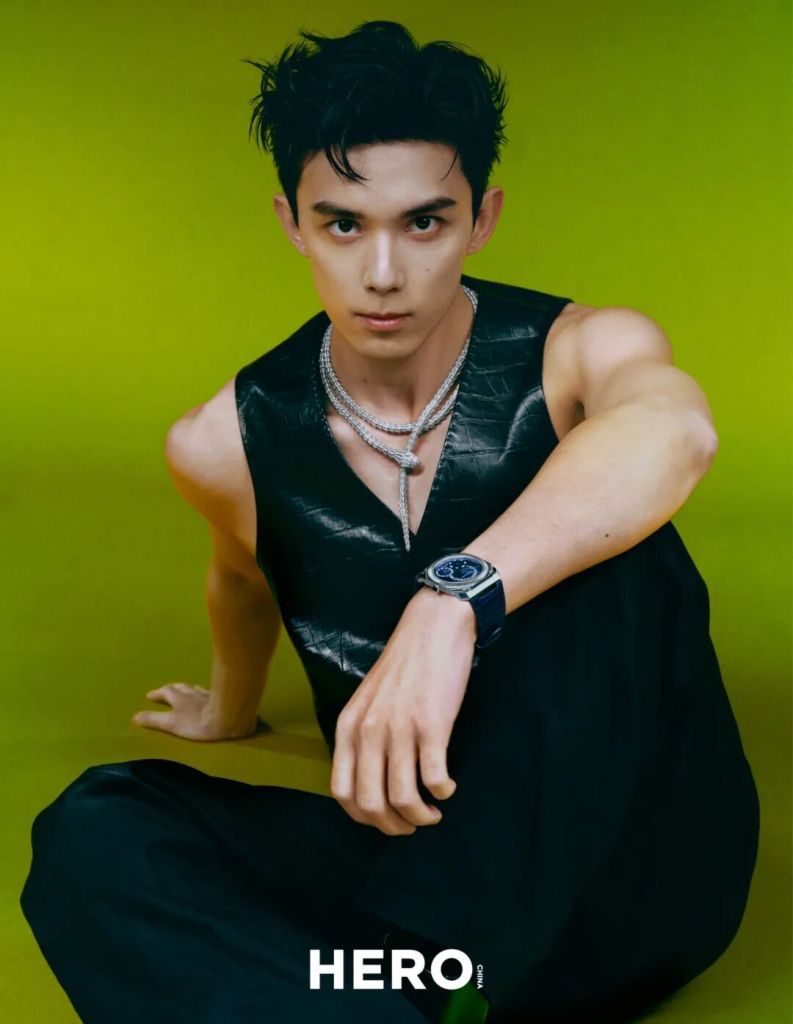
Thus, the markers of time have become concrete for Wu Lei. While most people, constrained by society’s clock, are still fumbling for direction in a step-by-step rhythm, his life experiences are segmented by one role after another. “Some projects are short, just over a month; some are long, four months or more. But in my memory, the time they take feels the same.” He talks about 2024, when he filmed three productions, Northwest Years, Dongji Island, and The Decisive Moment, and time was split into three parts, each with its own beginning, process, and end. Every time he steps into a character, he lives through an entire life. Time is no longer a linear, flat track; instead, it is stretched long in a subtle way. The original month-by-month, week-by-week progression is constantly interrupted and reorganized. These segments do not cancel each other out; rather, they exist side by side, allowing the same span of years to accommodate a richer, more layered sense of time.
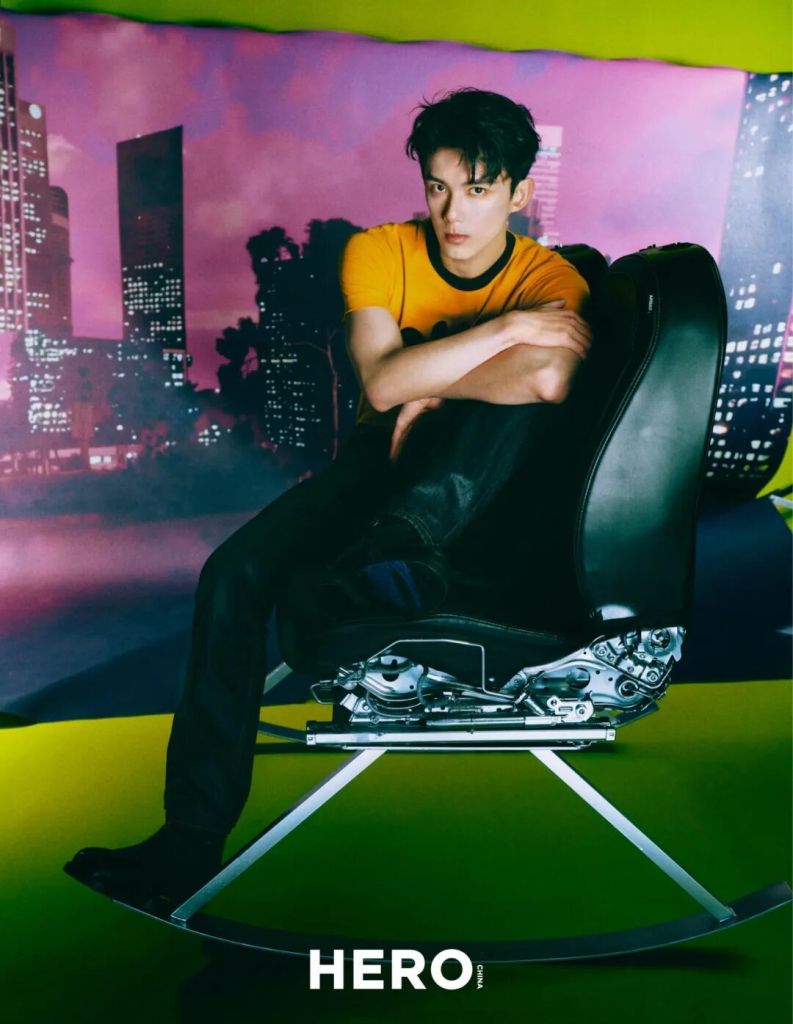
Through the anchor points carved by each role, Wu Lei continually recalibrates his understanding of external expectations. He knows clearly that what an actor ultimately must fulfill is their own demands on themselves.
// 02. Act Well, Be a Good Person
If 25 is often seen as a moment when one must make a judgment, then the object of that judgment is more than just time itself. When Wu Lei reexamines the words he spoke as a child, “I don’t want to be a stupid actor; I want to be a smart actor”, he begins to question his former certainty.
“The term ‘smart actor’ is actually a bit of a wisecrack,” he says. “Now I feel that being too smart might go against intuition. The meaning of that word isn’t fixed for me.” So-called “smartness” doesn’t just refer to the ability to quickly get into a character and grasp their inner logic. For some professions, experience often means efficiency and reliability. But acting, like all forms of artistic creation, requires more than training and technique. It also depends on instincts and intuitions that are hard to distill into formulas, as well as concrete, unpredictable life experiences. In Wu Lei’s view today, approaching a character in a more instinctive way is also a form of smartness.
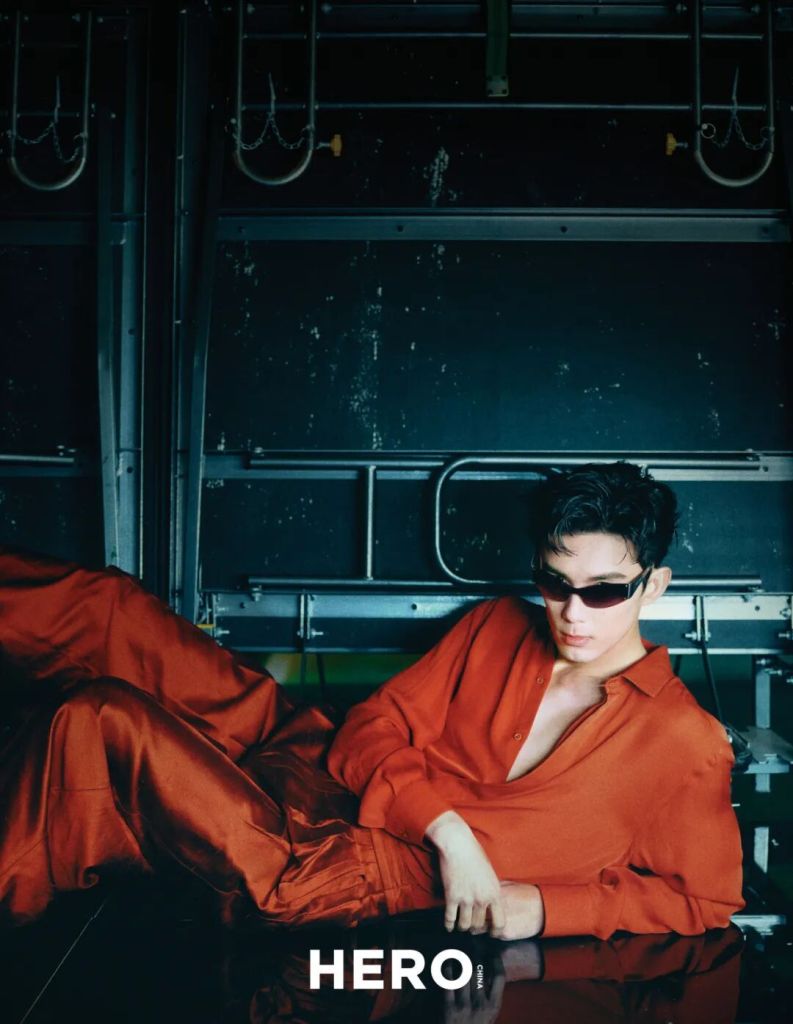
Thus, after the film The Decisive Moment wrapped in December 2024, Wu Lei didn’t take on any new roles for the better part of a year. “For as long as I can remember, since I was five years old, I’ve never had a stretch of time like this.” Friends who think of him as a workaholic often joke that after resting for a month or two, he’ll start itching to act again, that he just can’t stay idle. And that does seem to be the case. At 26, this young man already has 21 years of work experience under his belt, constantly on the move between projects. Even while cycling and traveling, he managed to film three seasons of his documentary series Ride Now. Either his mind or his body is always running at full intensity. But when the right script and character don’t come along, he doesn’t rush to fill the gap. Instead, he allows himself to stop.
This was a vacation taken after his high energy had been depleted. His daily routine was almost monotonous: just one movie a day, with the rest of his time spent on exercise, games, and ordering takeout. It doesn’t sound very exciting. No itinerary, no plans, no energy invested in what might be called the “right path.” But Wu Lei says that period was fulfilling. For an actor, continuously immersing oneself in a character is certainly a skill, but staying within that role for too long can also become a form of escapism. Beyond acting, a person still needs to exist. He needed that blank space.
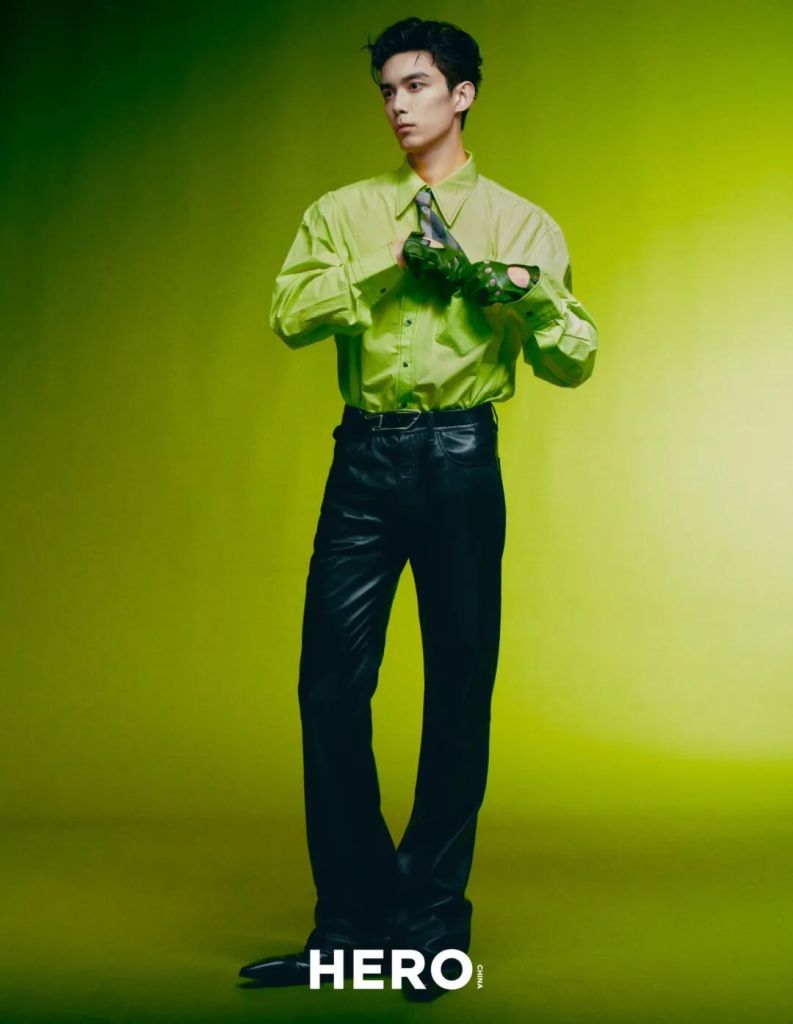
In September 2025, filming began for the movie Ghost At No 29. After it wrapped, Wu Lei went straight into production on the series The One. Returning to the set following the first real break of his life, he felt that he needed “to muster a certain energy, to switch into a different state in order to get into the work properly.” He didn’t find this unusual. There is fatigue, not only physical but also an indescribable exhaustion, but this is the norm in work, not the exception. He carries an almost old-school work ethic: with each new project, he picks up a new skill. Filming Upcoming Summer, he learned to DJ. After Nothing But You, his tennis skills became genuinely professional. And for Ghost At No 29, Wu Lei, who never had a sweet tooth, learned dessert-making for his role and gradually grew accustomed to the taste. “It’s actually not that cloying.” His awareness of professionalism came early. “It’s muscle memory,” Wu Lei explains. “Since I was a child, the senior actors and crew members around me have all worked with pure dedication to do their own jobs well. To me, that’s just how it should be.”
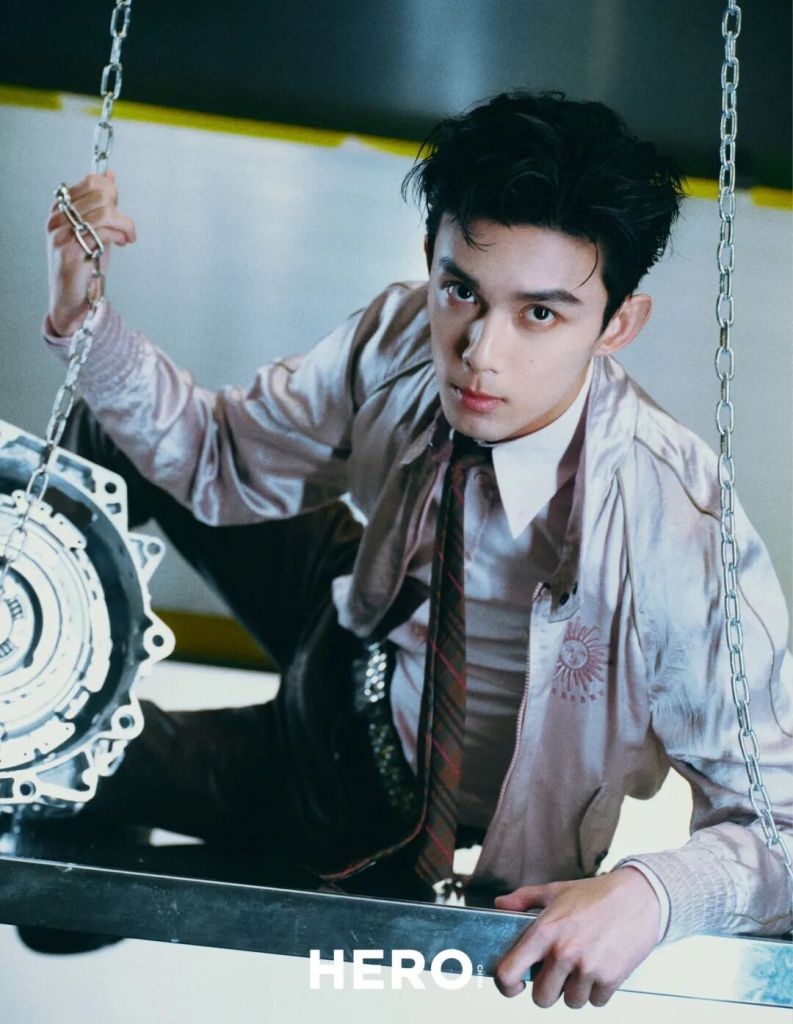
Without realising, this journey of his has gradually begun to show a certain change in the eyes of others: the boyish quality hasn’t yet faded, but something a little rougher around the edges has quietly begun to grow. Asked whether this was a deliberate effort, Wu Lei shakes his head. His answer is simple and pure: “Act well, be a good person.” This unselfconscious transition may well be the best possible state for being 26 years old. No need to say goodbye to anything, no need to deliberately become anything.
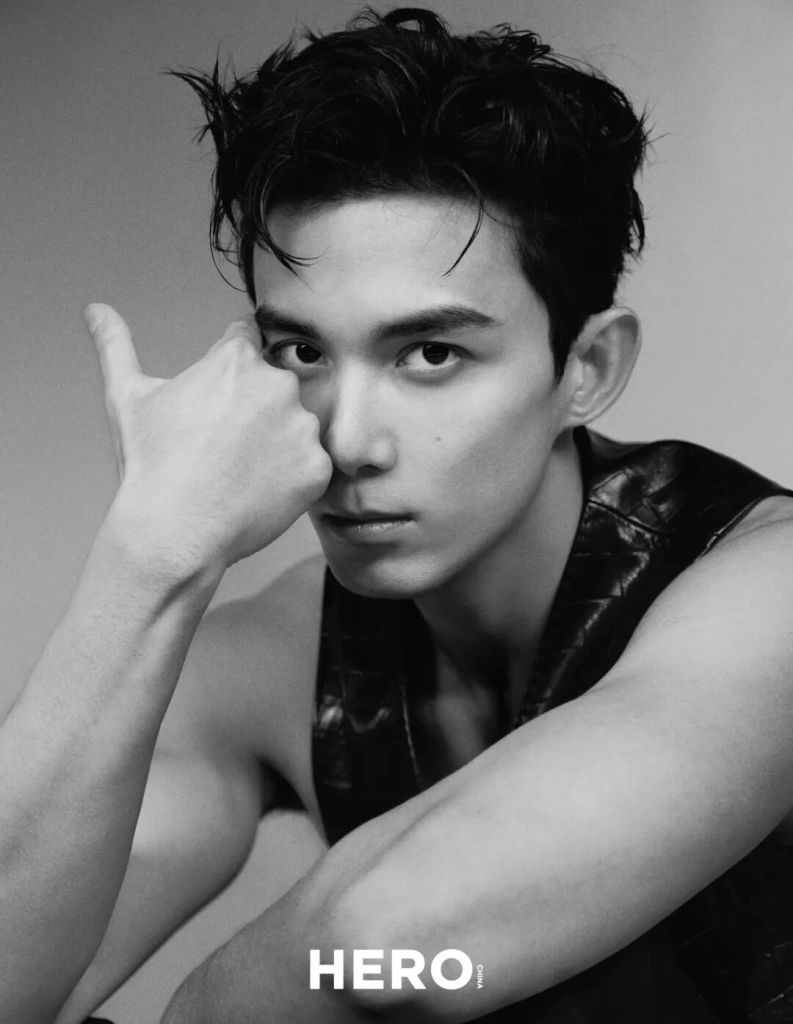
Returning to the age of 20, when Wu Lei posed a question to himself in his book Ground-Based Flight, six years have now passed, and a resolute answer has echoed back.
“Is this the life you want? Is this the state you find yourself at ease in?”
“Yes. It’s actually quite difficult. It requires perseverance and also luck. Being able to do what I want to do, shoot the projects I want to shoot, and play the characters I want to play, I feel fortunate.”
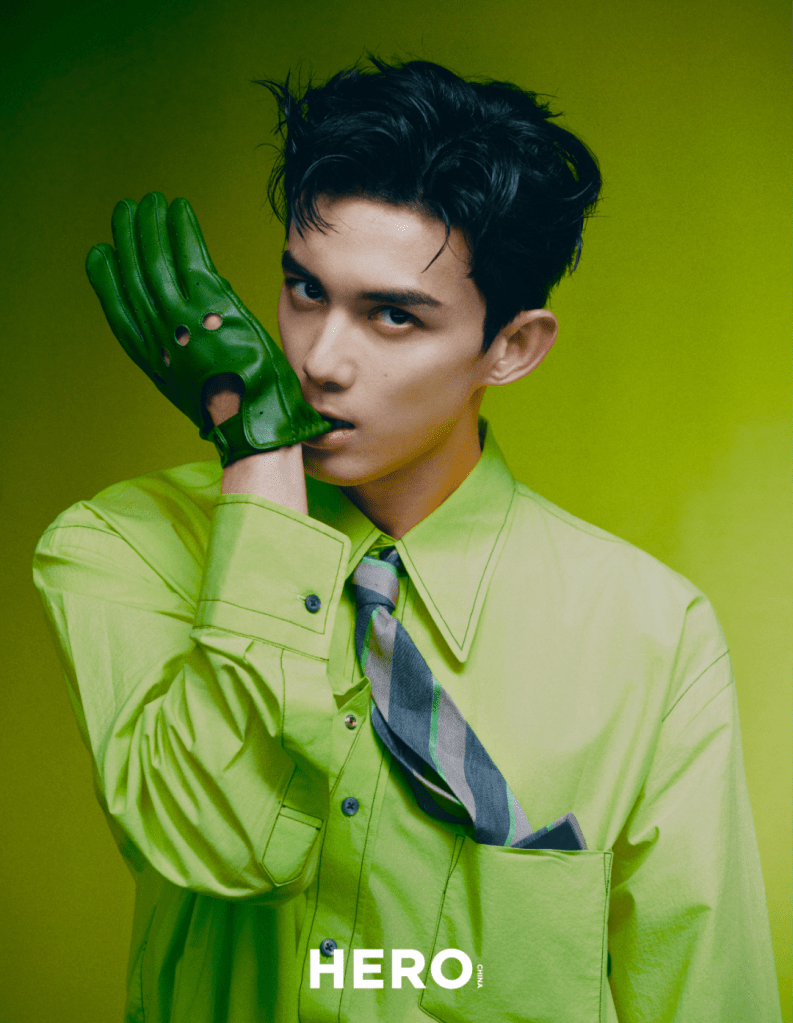
HERO x Wu Lei
HERO: Regarding your two upcoming new works, Ghost At No 29 and The One, what makes portraying these two characters particularly special?
Wu Lei: There’s some overlap in the creative teams behind these two projects. The first one is currently in post-production, while the other is still being filmed. The crew members have mentioned that the me in these two films is like night and day. One day they’re looking at footage of Chen Ping’an, who was not good at expressing himself, introvert, and resilient, and the next day they’re on set watching Bai Yang, the pastry chef, who’s optimistic and enthusiastic. They say it feels surreal every day, like a real sense of detachment.
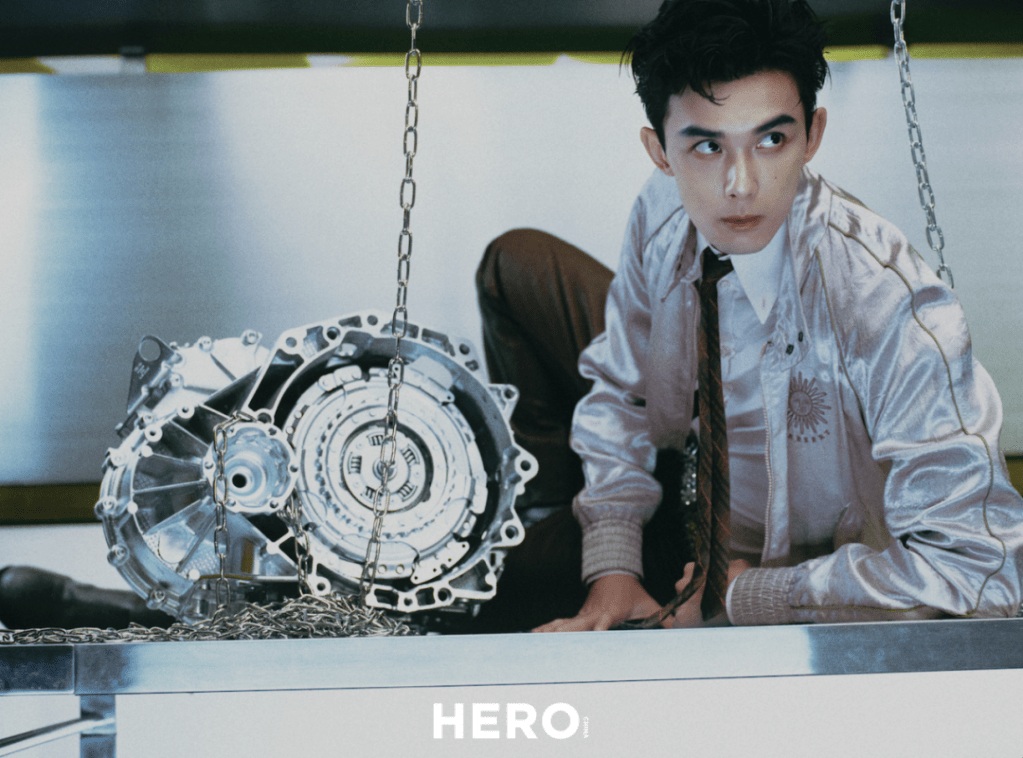
HERO: Turning back to yourself, do these roles constantly bring you closer to a relatively stable sense of self, or do they reconfigure your understanding of who you are?
Wu Lei: Every role leaves its mark on me, that’s for sure. They truly lead me to see different worlds and give me different insights. As for which one is “more like me”, I don’t think that’s something that can be clearly sorted out. But I am very grateful for each of my characters. Regardless of whether they’ve been seen by many audiences or not, at least when I see them, I feel happy.
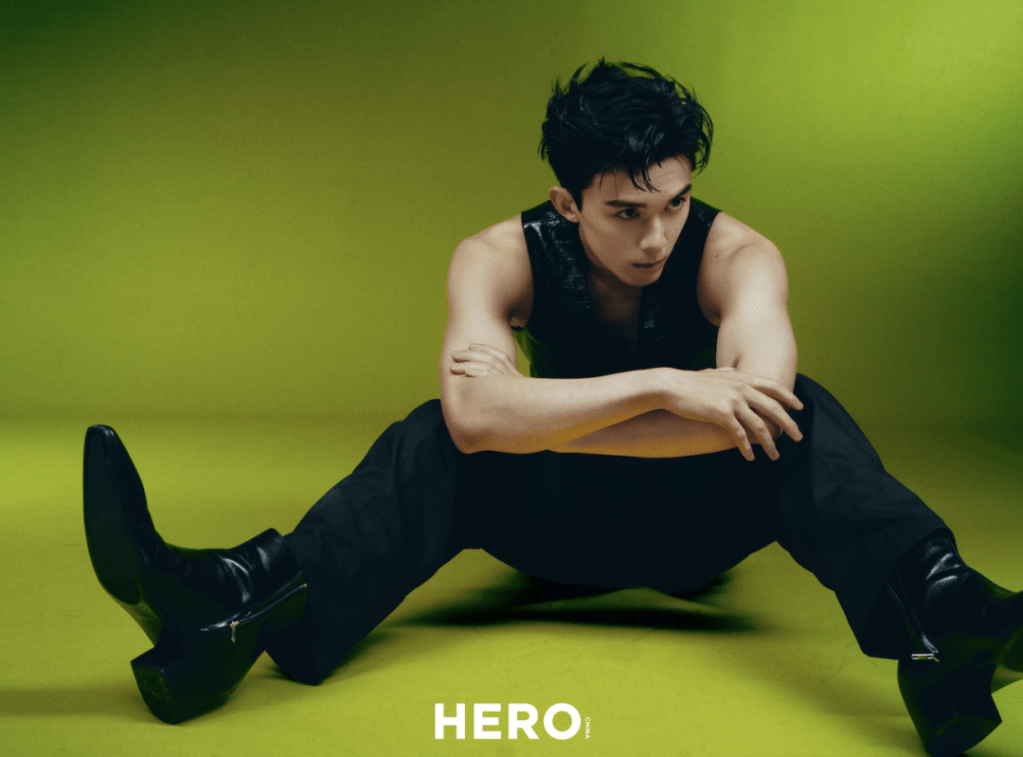
HERO: How do you now see the phrase “smart actor”?
Wu Lei: Being overly confident isn’t really a good thing. My current understanding of “smart” is this: if someone always thinks they’re very smart, that probably doesn’t count as being truly smart.
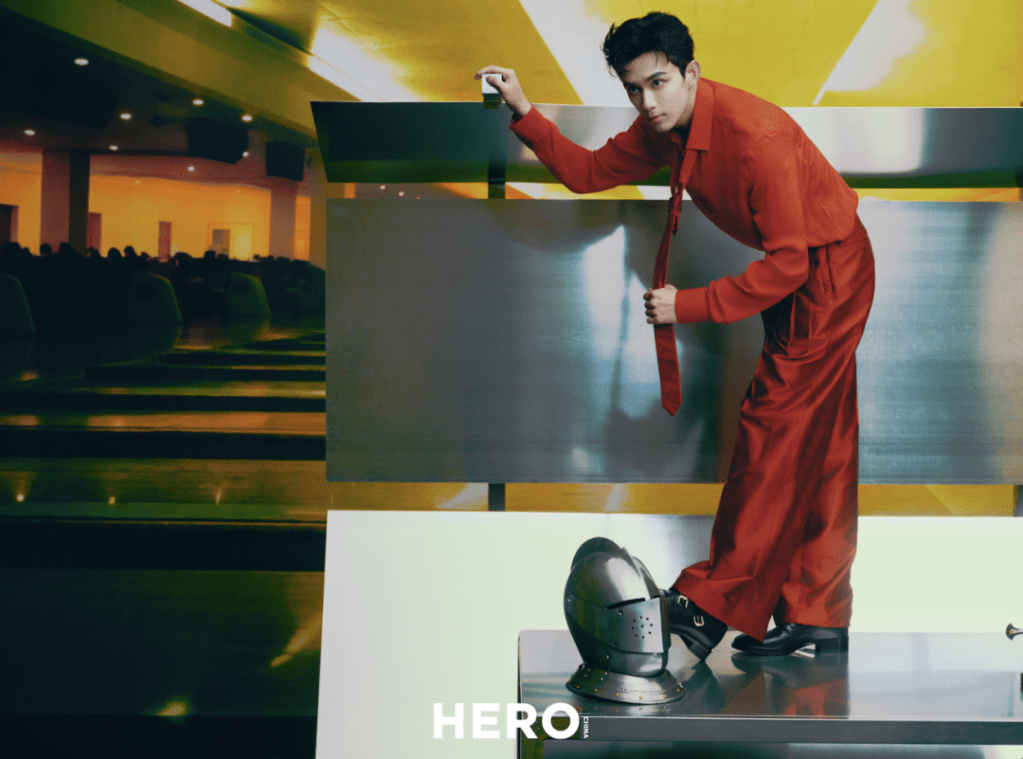
HERO: For any profession, staying true to one’s original intention is difficult. Over all these years, have you needed to consciously preserve or hold on to certain things?
Wu Lei: Of course. In both life and work, I definitely have my own principles and standards. For me, I hope to constantly hold myself to higher standards, keep trying new things, bring better performances to the audience, and at the same time continuously raise my own aesthetic sense of acting. The bar keeps getting higher. But sometimes you also need to come across a fair story, or rather, a fair character.
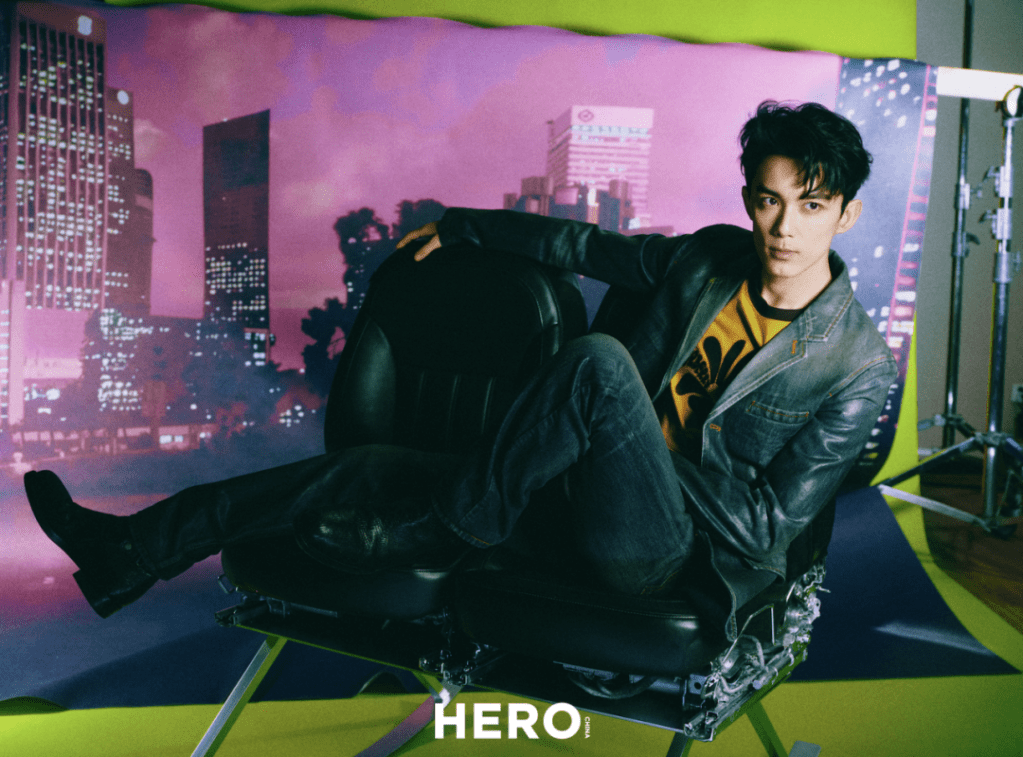
HERO: Many people are used to describing you as “sunny.” Do you mind this relatively fixed impression?
Wu Lei: It’s not a bad thing. Honestly, what I care about most is what people think of my characters. As for other aspects, whether people see me as sunny in daily life, or think I’m lively, or even think I’m introverted, that’s all fine. I think just being my true self is what matters.
Source: Hero Magazine

